
Introduction
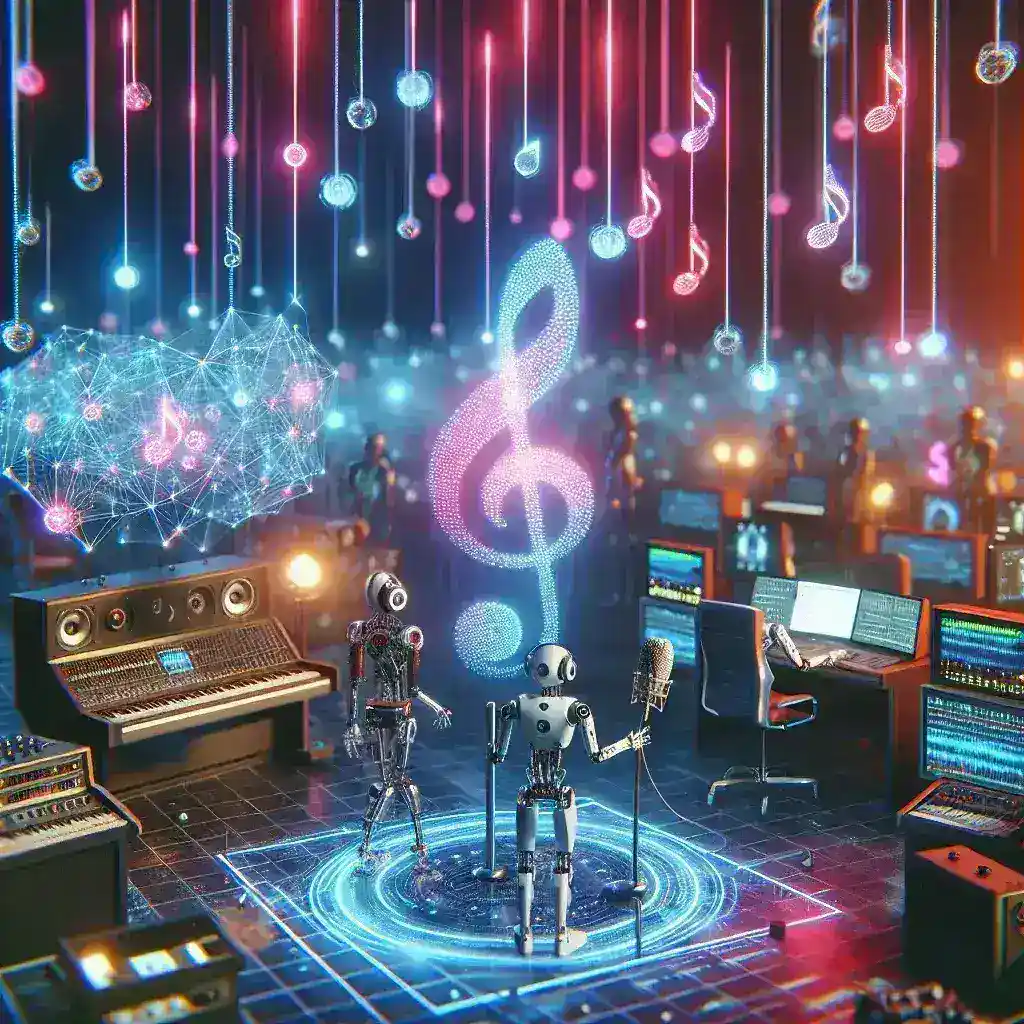
The music industry is undergoing a revolutionary transformation, thanks to the rapid advancements in artificial intelligence (AI). From composition to production and even marketing, AI is reshaping how music is created, distributed, and consumed. In this article, we explore the future of AI in the music industry and its potential implications.
The Role of AI in Music Composition
AI is increasingly being used to compose music autonomously. Algorithms analyze existing pieces across genres to generate new compositions that mimic styles from classical to contemporary. Here are some key aspects:
- Machine Learning: Through deep learning, AI systems can learn patterns in music and create original tracks.
- Collaboration: Musicians can use AI as a creative partner, providing novel ideas that inspire human composers.
- Diversity of Output: AI can produce an array of styles, helping to diversify the music landscape.
AI in Music Production
Production processes are significantly streamlined with the integration of AI tools. These technologies enhance the efficiency and quality of music production through:
- Automated Mixing: AI algorithms can learn optimal mixing styles, saving hours of manual adjustment.
- Sound Design: AI tools can assist in creating unique sounds and effects, offering limitless creative possibilities.
- Quality Control: AI can analyze audio quality, ensuring high standards and consistency in recordings.
Personalization and Recommendation Systems
AI has transformed the way listeners discover and consume music. Advanced algorithms tailor recommendations to individual tastes, providing:
- Curated Playlists: Services like Spotify and Apple Music utilize AI to create personalized playlists for listeners.
- User Insights: Platforms analyze listener data to enhance user experience and engagement.
- Market Trends: AI can predict emerging trends, helping artists and labels stay ahead of the curve.
Challenges and Ethical Considerations
While the benefits of AI in the music industry are considerable, several challenges and ethical concerns must be addressed:
- Copyright Issues: The ownership of AI-generated music raises legal questions regarding intellectual property.
- Job Displacement: As AI takes over more tasks, there are concerns about its impact on employment in the industry.
- Artistic Authenticity: Critics argue that AI-generated music lacks the emotional depth of human-created art.
The Future Outlook
The future of AI in the music industry appears bright, with technology continuing to blend seamlessly with creativity. As the tools evolve, they will likely present new opportunities for artists, producers, and consumers alike. Companies that embrace AI innovations will be at the forefront of the industry, paving the way for exciting developments.
Conclusion
AI’s integration into the music industry is already transforming how music is made, produced, and experienced. As we move forward, it’s essential to balance technological advancement with ethical practices to foster a vibrant, innovative, and inclusive music ecosystem.